
AI for Engineers
AI is changing embedded development and you need to understand what it can and can't do
AI can already generate C code, explain unfamiliar software, create test cases, diagnose faults and dramatically accelerate development.
But embedded engineering presents a particular challenge. Generated code doesn't just have to compile. It has to interact correctly with real hardware, meet timing constraints, handle interrupts and concurrency, recover from unexpected conditions and continue operating reliably.
That requires engineering judgement.
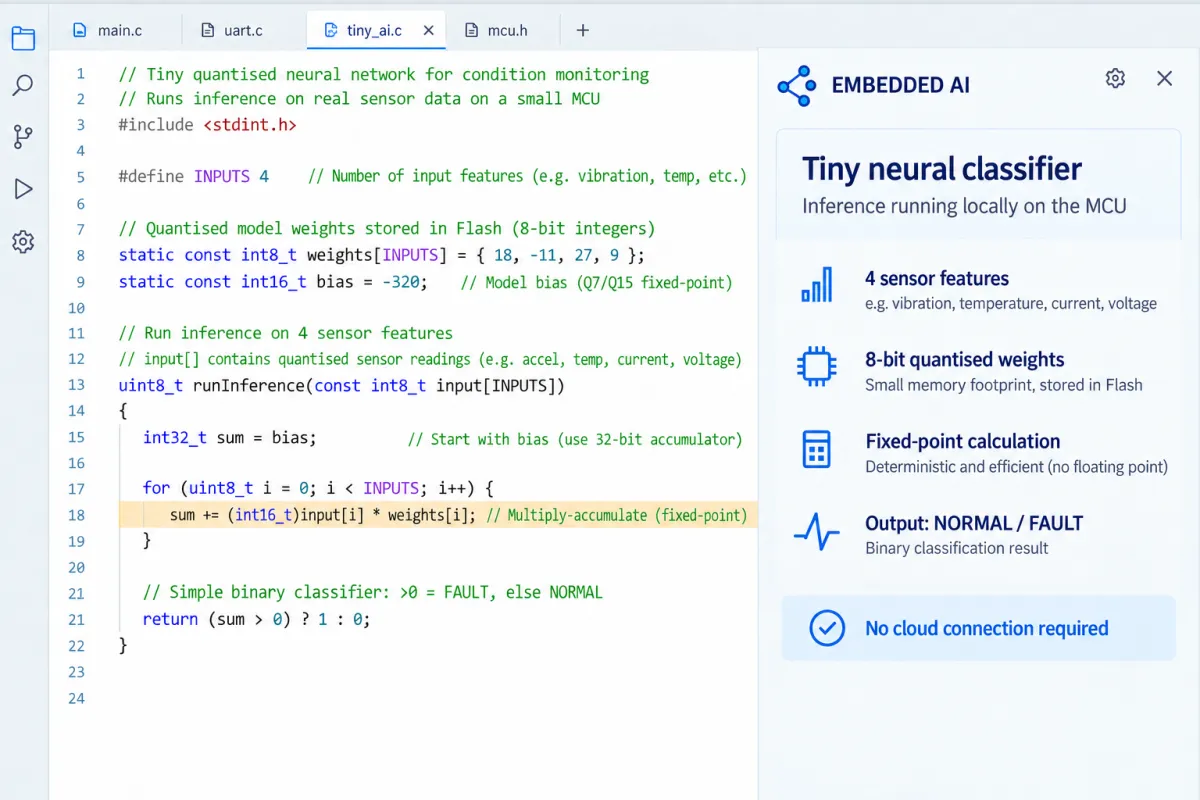
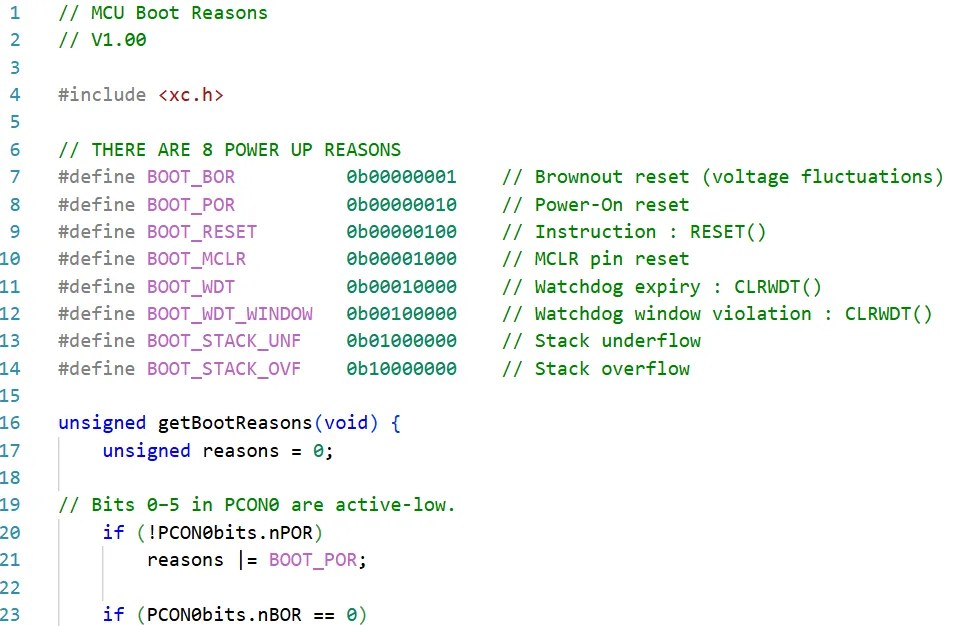
Going Beyond AI-Generated Code
Using AI effectively isn't simply about learning better prompts.
An embedded engineer needs to understand the code well enough to question it, test it and recognise when an apparently convincing solution is wrong.
Can you identify an unsafe interrupt implementation? Would you notice that generated code assumes a peripheral feature your microcontroller doesn't have? Can you determine whether the code will still work when timing, memory or processing resources become constrained?
AI can make a capable engineer considerably more productive but only when the engineer understands what the AI is producing.
AI Inside Embedded Products
AI doesn't only have to help us develop embedded systems. Increasingly, it can become part of the embedded system itself.
Sensor readings, vibration, temperature, movement, sound and other real-world inputs can be classified and interpreted using techniques that would be difficult to implement using conventional fixed rules.
That opens interesting possibilities for intelligent sensing, condition monitoring, control and autonomous products - even on relatively modest hardware.
Understanding how AI works helps us implement better solutions.
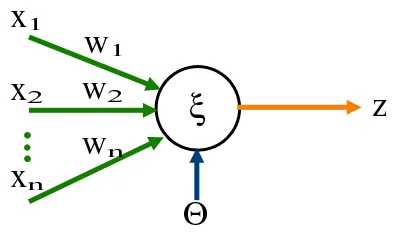
Practical AI for Engineers
As part of our existing programmes, we're developing practical training exploring AI from an embedded engineer's perspective.
Rather than treating AI as a black box, the aim is to understand what is happening, experiment with it and ultimately apply the techniques to real embedded hardware.
Topics include:
Using AI effectively during firmware development
Understanding and validating AI-Generated Code
AI-Assisted code stressing, debugging and testing
Implementing AI algorithms on embedded hardware
The principles behind machine learning
Training simple models from real data
Understanding the limitations and failure modes of AI
Which Direction Interests You?
If you are only interested in the theory and fundamentals it will still be beneficial for how you do your job.
If AI is likely to become part of your work, either as a development tool or inside the products you develop, register your interest below.
We'd particularly like to discuss what would be most useful for you.
You'll receive introductory material as it becomes available and you'll also have an opportunity to influence what the practical training covers.
Starting out in Embedded Software?
Register now for FREE eBook
Register Now